Alert Fatigue: Fewer, Smarter Trading Bot Alerts
Alert fatigue makes traders ignore their bots. Learn which trading bot alerts matter, which to mute, and how to tune notifications so you act on the ones that count.
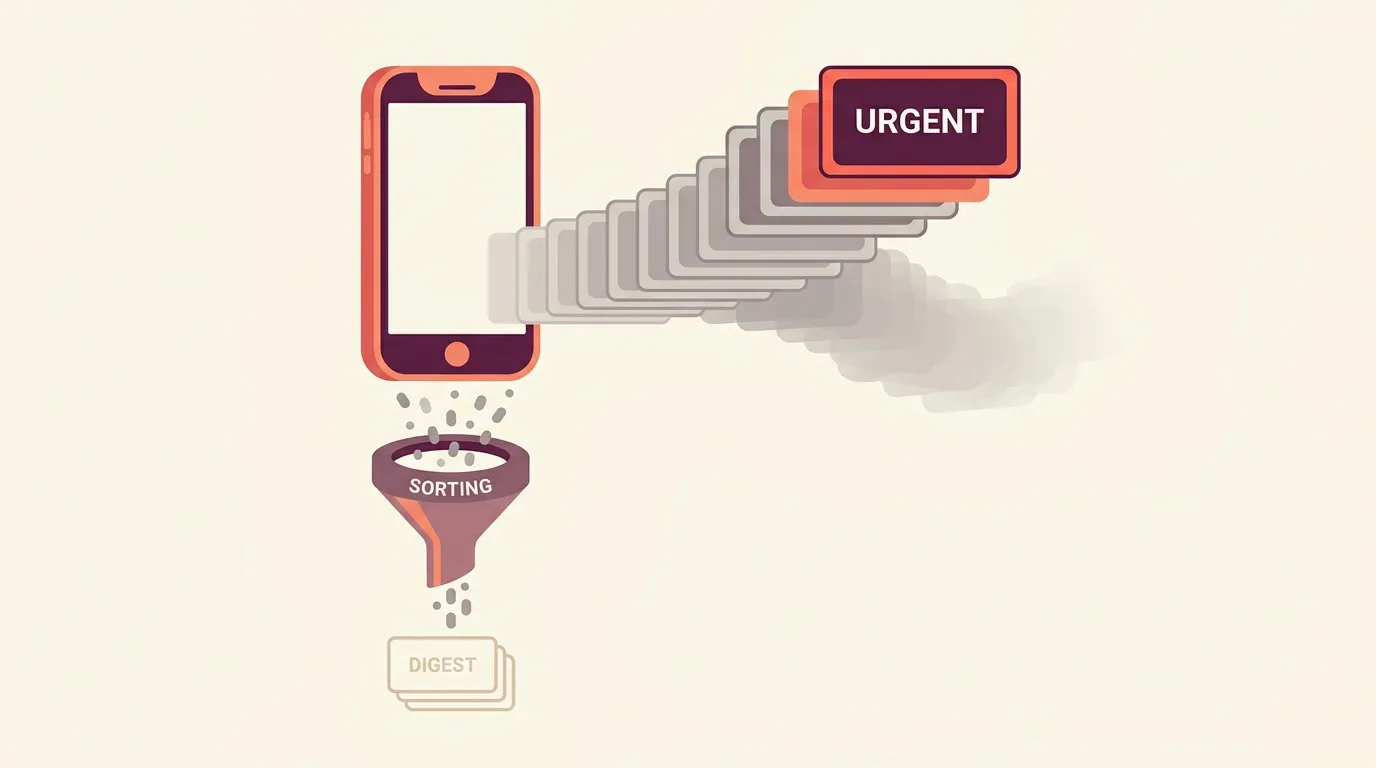
The problem: too many alerts train you to ignore them
If your bot pings you on every filled order, every candle, and every tiny fluctuation, you'll soon swipe them all away without reading. That's alert fatigue — and the danger is that a genuinely important message (a stalled bot, a failed order, a breached loss limit) gets lost in the noise.
The goal of monitoring isn't more information. It's the right information at the right moment so you can act. A good notification setup is quiet most of the time and loud exactly when it should be.
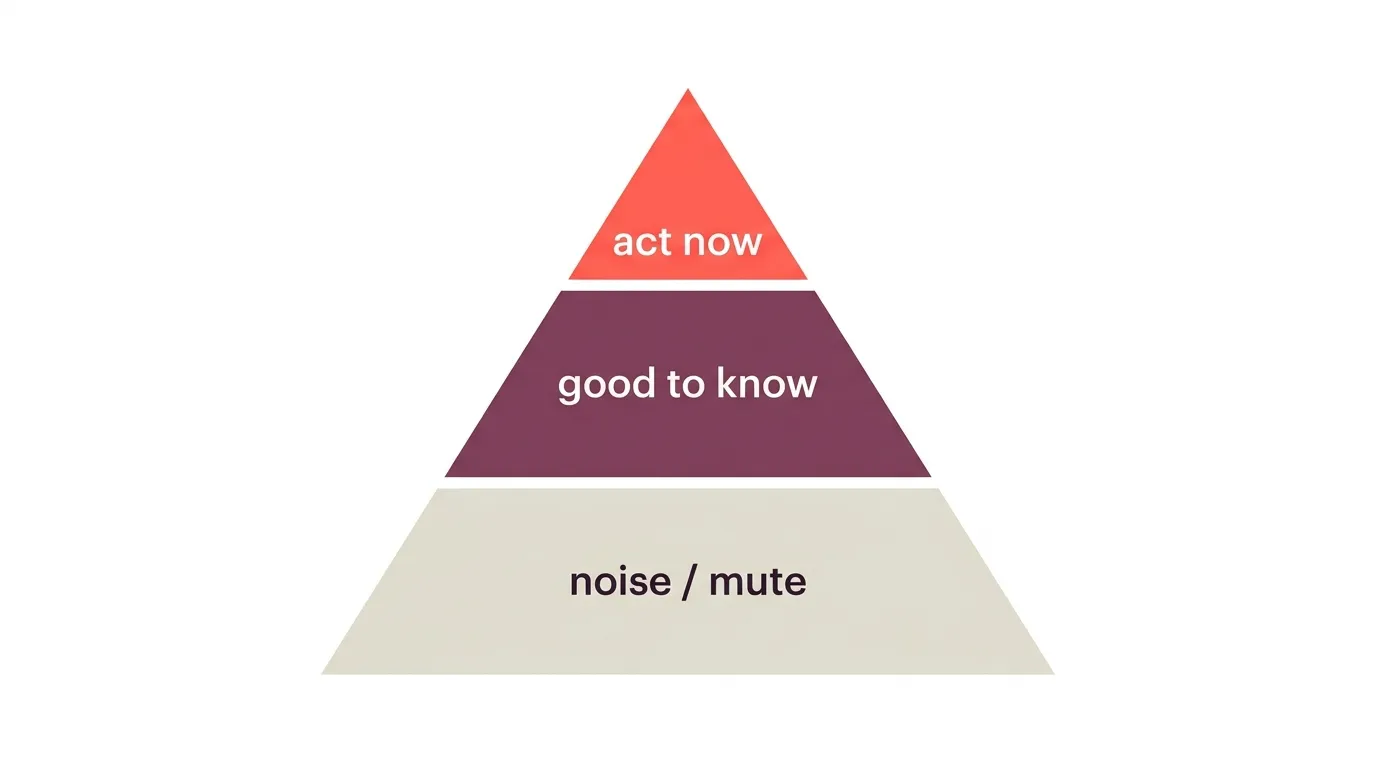
Sort alerts into three tiers
Not every event deserves the same treatment. Group your Telegram or Discord notifications by how much they demand of you:
- Act now (loud): the bot stopped running, an order was rejected, your broker connection dropped, or a tripped. These are rare and urgent — they should stand out.
- Good to know (quiet): trade entries and exits, stop-loss hits, partial profit-taking. Useful for a daily review, not worth interrupting your dinner.
- Noise (mute): every candle close, unfilled limit orders resting normally, routine heartbeat pings. Log them if you like, but don't push them to your phone.
If an alert never requires you to do anything, it probably shouldn't be a push notification. Move it to a periodic summary instead.
Batch, summarise, and set thresholds
Once tiers are clear, reduce volume without losing visibility:
- Daily digest over live play-by-play. One end-of-day summary — trades taken, current P&L, open positions — replaces dozens of individual fills. You still see everything; you read it once.
- Threshold-based alerts. Instead of "price moved," notify only when something crosses a line you care about: drawdown beyond a set percentage, or an unusually large position. Small moves stay silent.
- Separate channels. Route urgent alerts to one Telegram chat and routine logs to another. When the quiet channel lights up, you know it matters without opening it.
- De-duplicate. A bot retrying a rejected order shouldn't send ten identical messages. One alert plus a status should be enough.
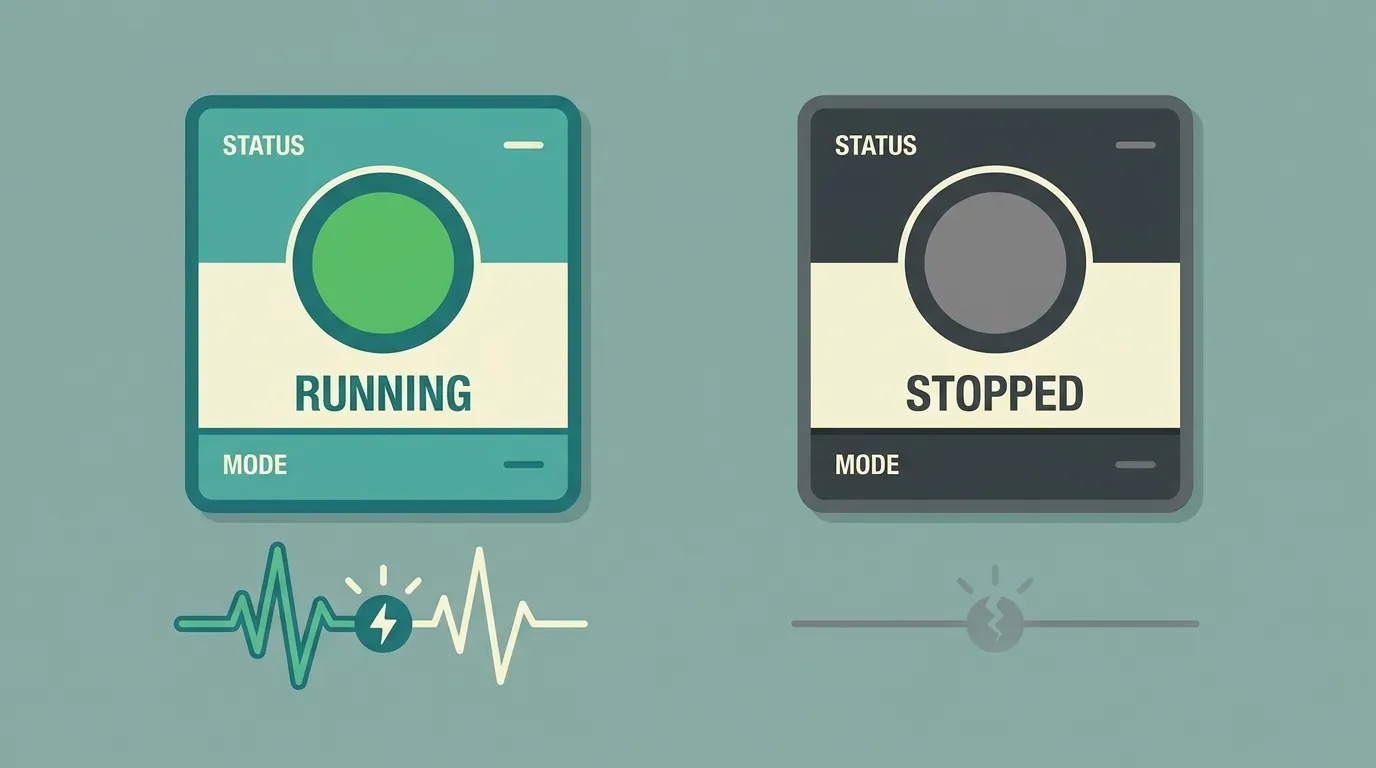
Don't over-mute: keep the failure alerts
Cutting noise is healthy, but there's an opposite failure mode — muting so aggressively that you miss a bot that has quietly stopped trading. A silent bot can look identical to a healthy one that simply hasn't found a setup.
Keep these on, always:
- Heartbeat or liveness signal — confirmation the bot is running (ideally a daily "still alive" note, not a per-minute ping).
- Failure and error alerts — rejected orders, authentication failures, connection loss.
- Risk-control triggers — anything that halts trading, like a circuit breaker firing.
This matters most for bots on markets that run outside your waking hours. If yours trades around the clock, the difference between changes when problems surface — and whether you're awake to see them. It's also part of any solid before promoting a bot to real money.
On algomax you set up Telegram or Discord notifications as part of the same no-code flow where you describe and deploy your strategy — so you decide up front what's worth a ping.
Key takeaways
- Alert fatigue is real: too many notifications train you to ignore the ones that matter.
- Tier your alerts into act-now, good-to-know, and noise — and push only the first tier.
- Batch routine events into a daily digest; use thresholds so small moves stay silent.
- Never mute failure and liveness alerts — a silently dead bot is the costliest blind spot.
Frequently asked questions
What is alert fatigue in bot trading?
Alert fatigue is when a trading bot sends so many notifications that you stop reading them. The risk is that a genuinely important alert, like a stopped bot or a breached loss limit, gets swiped away with the noise.
Which trading bot alerts should I always keep on?
Keep failure and error alerts (rejected orders, authentication or connection failures), risk-control triggers like a daily loss limit firing, and a periodic liveness or heartbeat signal confirming the bot is still running. These are the ones that require action.
How do I reduce notification noise without missing anything?
Batch routine events like individual trade fills into a single daily digest, use threshold-based alerts so only meaningful moves ping you, and route urgent alerts to a separate channel from routine logs so importance is obvious at a glance.
Can I set up Telegram or Discord alerts on algomax?
Yes. Telegram and Discord notifications are available as part of the same no-code flow where you describe your strategy and deploy it as a bot, so you choose which events are worth a push notification.
How would I know if my bot silently stopped trading?
A dead bot can look identical to a quiet, healthy one that simply hasn't found a setup. That's why a daily heartbeat or liveness signal matters — without it, silence tells you nothing.